VACCCINE SAFETY PROJECT
Strengthening Nigeria’s Vaccine Safety Ecosystem.
This project exists to solve a critical challenge: maintaining public trust in lifesaving vaccines. When communities are confident that vaccine safety is monitored closely and transparently, immunization programs succeed.
In Nigeria, fragmented reporting systems and weak coordination between health agencies have made it difficult to rapidly detect and respond to vaccine-related events. These gaps can undermine public confidence, especially as new vaccines are introduced and the country works to reach every child.
The Vaccine Safety Project was launched to build a robust, unified safety net. By strengthening coordination, harmonizing data, and communicating clearly, we ensure every vaccine is safe, every report is counted, and public trust is secured—protecting the health of the nation.
About the Vaccine Safety Project
Dr Lillian Okeke the Lead of the Vaccine Safety project gives a brief overview about the project.
The Challenge
Immunization programs depend on public trust. In Nigeria, fragmented reporting systems, weak coordination between health agencies, and limited public awareness have made it difficult to quickly detect and respond to vaccine-related events. This project addresses these gaps to maintain confidence in vaccines.
We use a collaborative, technology-driven approach:
- Digital Tools: Harmonizing data from platforms like DHIS2 (NPHCDA), SORMAS (NCDC), and the MedSafety App (NAFDAC) for real-time reporting.
- Coordination Bodies: Working through the National AEFI Technical Working Group and National Expert Committee for joint investigation and decision-making.
- Communication: Employing newsletters, animation videos, and guides translated into local languages (Hausa, Igbo, Yoruba, Pidgin) for effective public and health worker engagement.
- Monitoring & Evaluation: Using a results-based framework with regular reviews to track progress and adapt strategies.
Our Program in numbers
7 states assessed through a nationwide baseline assessment.
5 communication tools produced, including local-language guides.
1 national AEFI Technical Working Group reactivated to provide oversight.
Our Aproach
- Digital Tools: Harmonizing data from platforms like DHIS2 (NPHCDA), SORMAS (NCDC), and the MedSafety App (NAFDAC) for real-time reporting.
- Coordination Bodies: Working through the National AEFI Technical Working Group and National Expert Committee for joint investigation and decision-making.
- Communication: Employing newsletters, animation videos, and guides translated into local languages (Hausa, Igbo, Yoruba, Pidgin) for effective public and health worker engagement.
- Monitoring & Evaluation: Using a results-based framework with regular reviews to track progress and adapt strategies.
Key Achievements
Strengthen public health surveillance, emergency preparedness, response, and recovery
Strengthen public health laboratory systems
Enhance prevention, detection and management of non-communicable diseases (NCDs)
Promote Universal Health Coverage.
Advance the One Health approach and climate change mitigation.
Promote public health research, innovation, publication and networking
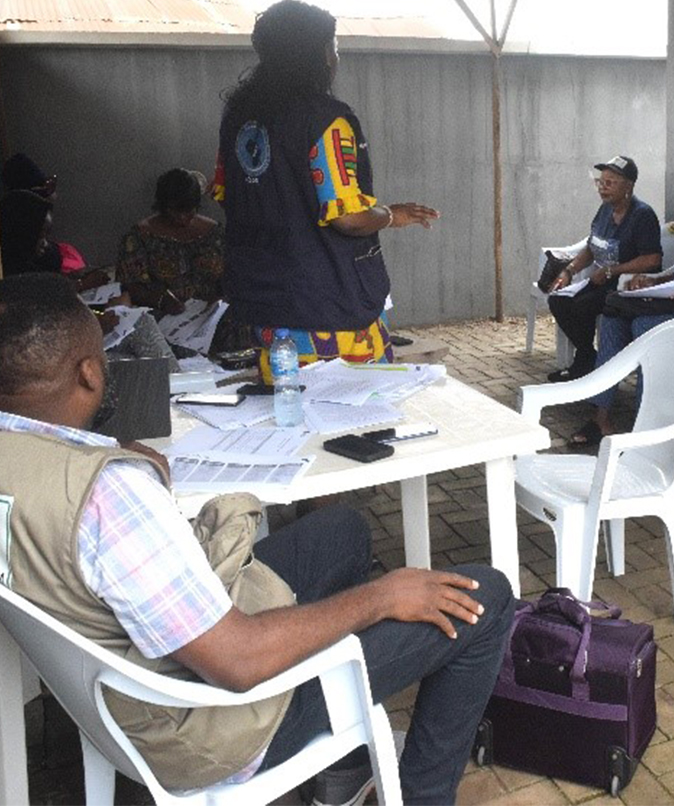
Strengthening Vaccine Safety in Nigeria: Highlights from the Lagos Workshop
From July 14–18, 2025, public health leaders, medical experts, and partners gathered in Lagos for the AEFI & Vaccine-Related Events (VRE) Response Plan Development Workshop, a critical step toward improving vaccine safety systems in Nigeria.
Start Date:
December 2024
Current Phase:
Implementation
Partners:
U.S CDC
NPHCDA
AFENET
Key Activities
Inauguration of the AEFI Technical Working Group-Strengthening readiness and coordination
Between September and December 2025, Nigeria made significant strides in strengthening vaccine safety—demonstrating what is possible when strong partnerships, smart systems, and clear accountability come together.
A premiere address in Toronto’s Financial District, 160 Front Street West is a 46-story structural steel-framed commercial office tower designed to add a distinctive silhouette to the City’s skyline. Although complex.
About the Vaccine Safety Project
Dissemination of AEFI & Vaccine-related Evets (VRE)
A premiere address in Toronto’s Financial District, 160 Front Street West is a 46-story structural steel-framed commercial office tower designed to add a distinctive silhouette to the City’s skyline. Although complex
Project Resources
AEFI & VRE Baseline Assessment Findings
VRE Response Plan, Nigeria
Job aid: AEFI Reporting for Healthcare Workers
Job aid: AEFI Information for Caregivers