
AFENET PROJECT
Strengthening Cerebrospinal Meningitis (CSM) Surveillance and Response in Northern Nigeria
Cerebrospinal Meningitis (CSM) Project is an ongoing public health intervention led by AFENET Nigeria to improve early detection, laboratory confirmation, and coordinated response to meningitis outbreaks across Jigawa, Bauchi, Gombe, and Yobe States.
Implemented within Nigeria’s meningitis belt, the project focuses on strengthening surveillance systems, improving data harmonization, enhancing laboratory support, and reinforcing state-level preparedness during peak transmission periods. Through targeted technical assistance and capacity building, the project supports state and national efforts to reduce preventable illness and deaths associated with cerebrospinal meningitis.
Strengthened early detection and reporting of suspected CSM cases during peak transmission seasons across supported states.
About CSM Support Project
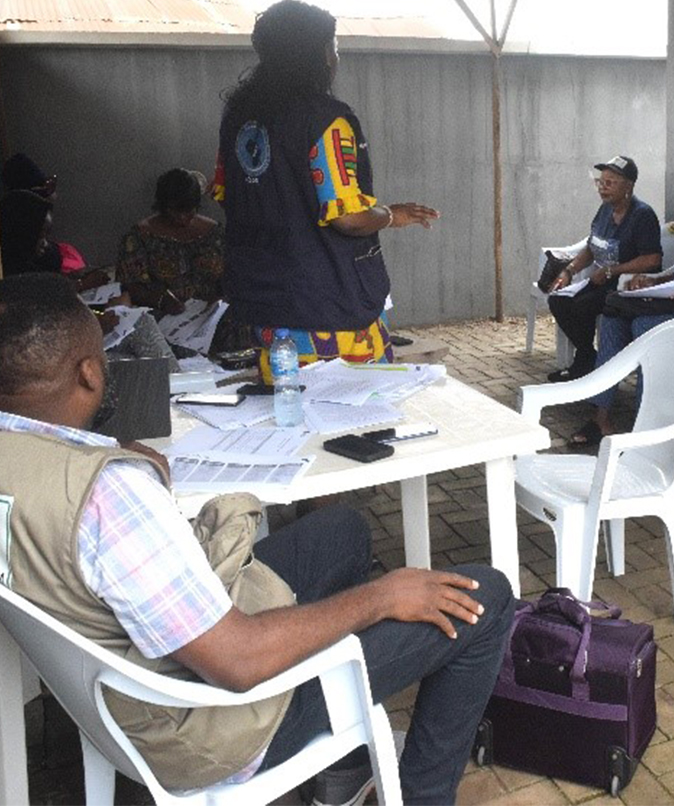
CSM Project Lead gives a brief overview about the project.
Project Goal
To reduce morbidity and mortality associated with cerebrospinal meningitis by strengthening enhanced surveillance, laboratory confirmation, and coordinated outbreak response across high-risk states in northern Nigeria.
Why This Project Matters
Cerebrospinal meningitis remains a persistent public health threat in northern Nigeria, driven by climatic conditions, population mobility, overcrowding, and health system constraints. Seasonal outbreaks continue to place pressure on state response systems, often resulting in delayed detection and preventable deaths.
Historically, challenges such as fragmented surveillance data, limited laboratory confirmation capacity, and weak coordination between surveillance and response structures have slowed timely action. This project was established to close these gaps and ensure that suspected cases are detected earlier, confirmed faster, and responded to more effectively.
What the Project Is Delivering
The project strengthens meningitis preparedness through integrated surveillance and response activities. Enhanced CSM surveillance is deployed during peak transmission periods, supported by real-time reporting through SORMAS and alignment with the Integrated Disease Surveillance and Response (IDSR) framework.
Laboratory systems are reinforced through improved cerebrospinal fluid (CSF) sample collection, referral, and confirmation processes. Health workers across surveillance, laboratory, and response pillars receive continuous mentorship, training, and supportive supervision to improve performance and data quality.
Routine data review meetings, field monitoring, and adaptive implementation ensure that response efforts remain timely, targeted, and evidence-driven.
Measurable Progress in CSM Surveillance and Preparedness
Surveillance, laboratory, and response personnel trained and mentored
high-risk meningitis belt states supported
Enhanced CSM surveillance activated during peak transmission seasons
Improved timeliness and completeness of CSM case reporting across supported LGAs
Vaccine effectiveness studies conducted across the four state
Technical Aproach
The project applies a surveillance-driven and response-focused model that integrates real-time data reporting, laboratory confirmation, and coordinated decision-making. Implementation is guided by standard case definitions, structured investigation tools, strengthened CSF referral protocols, routine data analysis, and results-based monitoring and evaluation.
This approach ensures that alerts are detected early, verified rapidly, and acted upon through coordinated state and national response mechanisms.
Learning and Adaptation
Early engagement of state teams has strengthened ownership and accelerated response actions. Regular data reviews have improved data quality and use for decision-making, while integrated surveillance–laboratory coordination has reduced confirmation delays. Adaptive deployment during peak seasons has proven critical for effectiveness.