Advancing HIV Diagnosis with Cutting-Edge Multiplex Technology
In Nigeria, efforts to enhance HIV diagnostics have entered a critical second phase. The Optimizing HIV Diagnosis project, led by key stakeholders including the Federal Ministry of Health and Social Welfare (FMoH), National AIDS, Viral Hepatitis, and STI Control Program (NASCP), Nigeria Centre for Disease Control and Prevention (NCDC), African Field Epidemiology Network (AFENET), and APIN Public Health Initiative, is focused on validating a novel bead-based multiplex assay and rapid test.
This initiative addresses longstanding challenges in HIV diagnostics—such as large sample volume requirements, multiple testing steps, and high costs—by providing an all-in-one solution for diagnosis, serotyping, and recency detection.
Phase I: A Game-Changer in HIV Testing
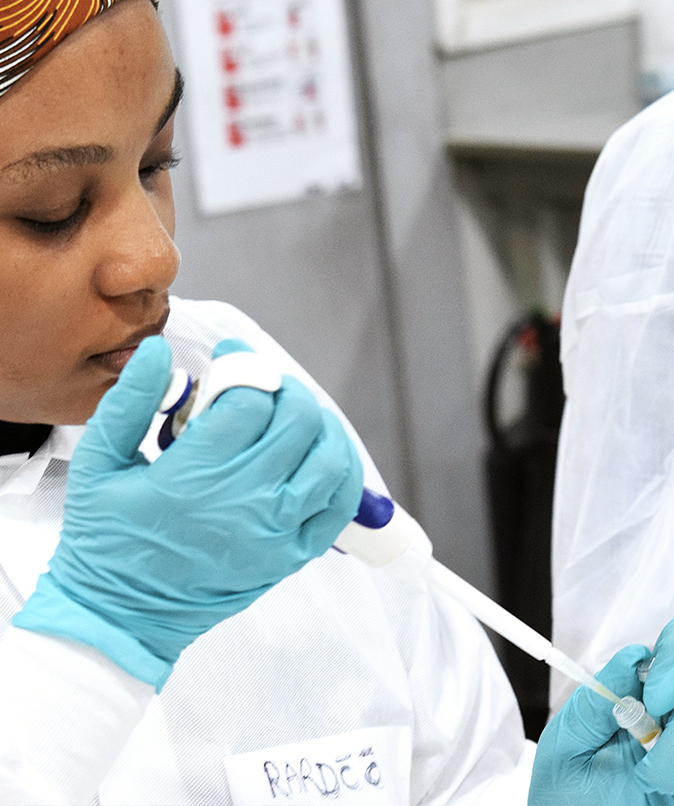
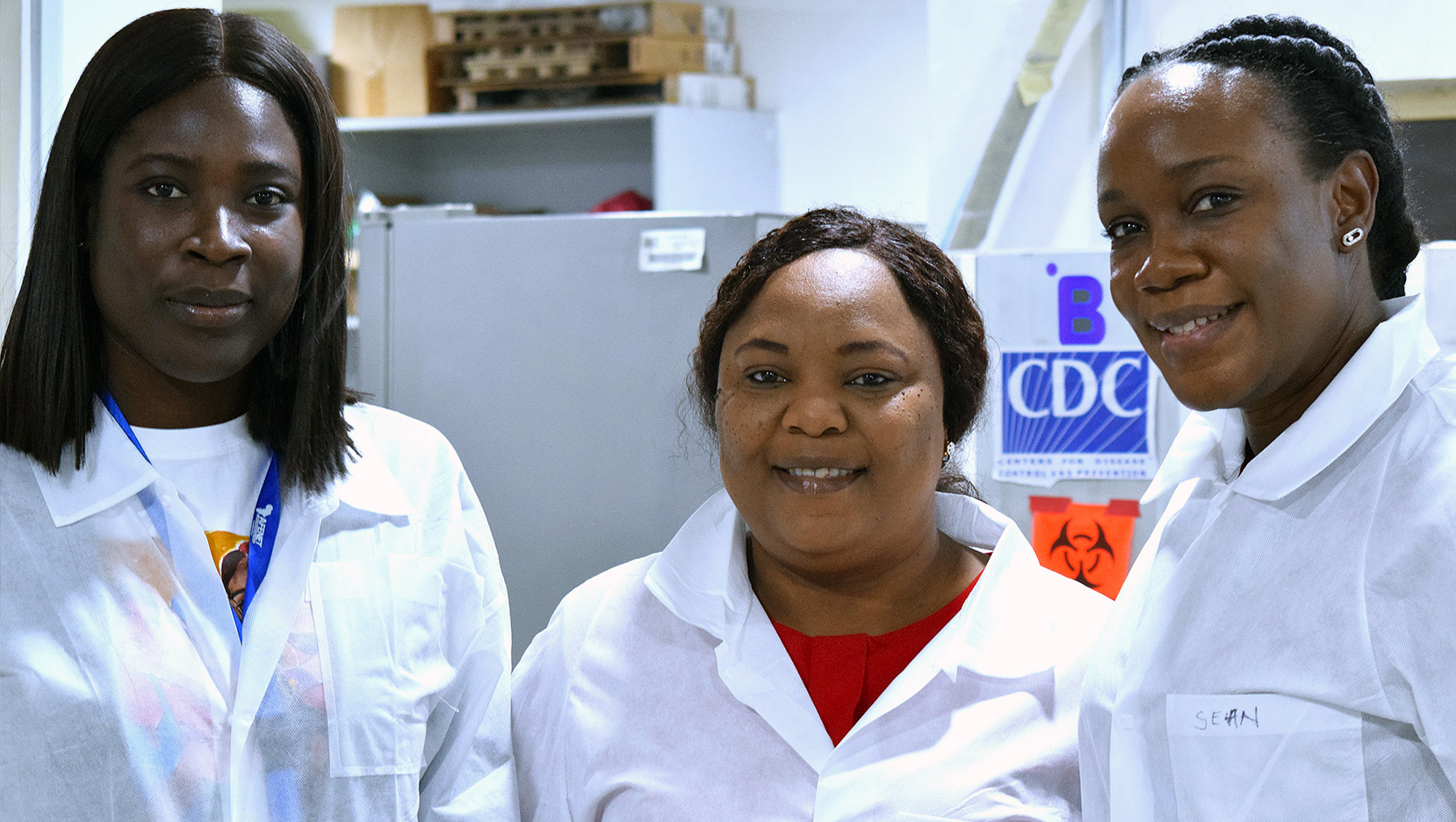
The Multiplex Bead Assay (MBA) Laboratory at the National Reference Laboratory (NRL), NCDC Gaduwa spearheaded the first phase of this groundbreaking study. This phase aimed to test 25,000 HIV-negative samples from the 2018 Nigeria AIDS Indicator and Impact Survey (NAIIS) using the more sensitive Multiplex Bead Assay (MBA).
Key Findings:
- 50 samples initially classified as HIV-negative tested positive with the MBA assay.
- Further testing was conducted to determine if these samples contained antiretroviral (ARV) drugs, suggesting potential misclassification or previous exposure.
Phase II: Digging Deeper for Accuracy
Building on these findings, Phase II aims to validate the results by subjecting a subset of the initial samples to Nigeria’s standard HIV testing algorithm and enzyme immunoassays at the NRL. This additional layer of testing seeks to refine diagnostic accuracy and confirm the true HIV status of these samples.
These tests hold great public health importance. Beyond detecting antigens and antibodies, they provide serotyping and distinguish between HIV-1 and HIV-2, as well as recent versus established infections. This makes it a ‘triplex technology’—one of the first of its kind, developed by the USCDC
Expert Insights: Ado Abubakar, Lab Manager of the Multiplex Bead Assay Laboratory, explained
International Collaboration and Capacity Building
The United States Centers for Disease Control and Prevention (CDC) has played a pivotal role in this initiative. In 2017, the HIV Serology & Incidence Team at CDC developed the multiplex bead-based assay, integrating HIV diagnosis, serotyping, and recency classification into a single test.
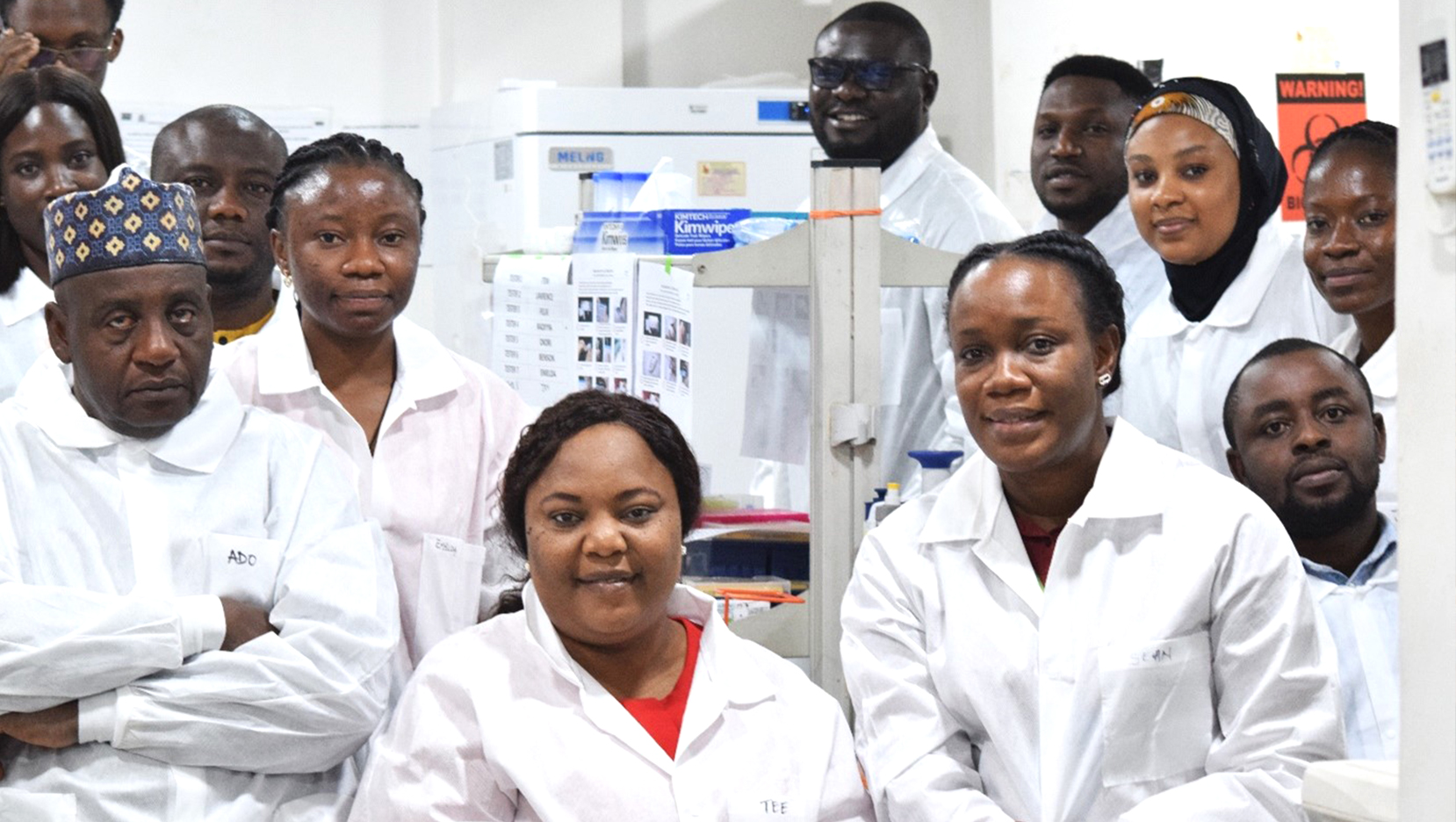
During Phase I, a team of laboratory scientists from CDC’s International Laboratory Branch collaborated with AFENET scientists to conduct tests.
We are impressed by the competency assessments of AFENET scientists testing at the laboratory. Everyone has been great. I am confident that the team will successfully complete the testing of all 25,000 samples within the set timeline.
Robert Domaoal, leader of the CDC team
Oluwaseun Akinmulero, Deputy Manager of the MBA Laboratory, also highlighted the project’s robust capacity-building efforts
“We have scientists, public health officers, and experienced data managers, including those who worked on this technology from its inception in Nigeria. This project has significantly strengthened our expertise.”
The Bigger Picture: Nigeria’s HIV Landscape
Nigeria ranks second globally in HIV burden, with an estimated 1.9 million people living with HIV. The country’s HIV incidence rate stands at 8.0 per 10,000 persons, while the prevalence rate among adults aged 15–49 is 1.4%.
HIV in Nigeria at a Glance: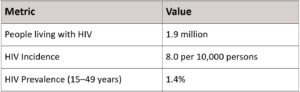
Dr. Patrick Nguku, Regional Coordinator of AFENET, expressed optimism about the project’s outcome and lauded the laboratory team’s dedication:
“This initiative is a testament to Nigeria’s commitment to improving HIV diagnosis. The leadership and competence of our scientists are commendable.”
Looking Ahead
The validation of this triplex assay technology is a major step towards streamlining HIV diagnostics in Nigeria. If fully implemented, it could significantly enhance the accuracy, efficiency, and accessibility of HIV testing, ultimately contributing to better disease surveillance and control efforts.
As Phase II progresses, collaborations between Nigerian health institutions, AFENET, and international partners will continue to be key drivers of success.
With its potential to revolutionize HIV diagnosis, this technology could become a gold standard in ensuring early detection and effective management of HIV in Nigeria and beyond.