At the onset of the COVID-19 pandemic, many experts feared that Africa’s healthcare systems would struggle to cope with the outbreak. Predictions from the World Health Organization (WHO) in May 2020 estimated that between 3.6 million and 5.5 million people in Africa could require hospitalization, with up to 107,000 critical cases needing breathing support. These projections raised concerns about the ability of healthcare infrastructure to handle the crisis.
However, while the continent avoided the worst-case scenario, a different challenge emerged—widespread misinformation and public resistance to health measures. Social media became a vehicle for misinformation and disinformation, undermining efforts to promote safety measures and vaccine acceptance.
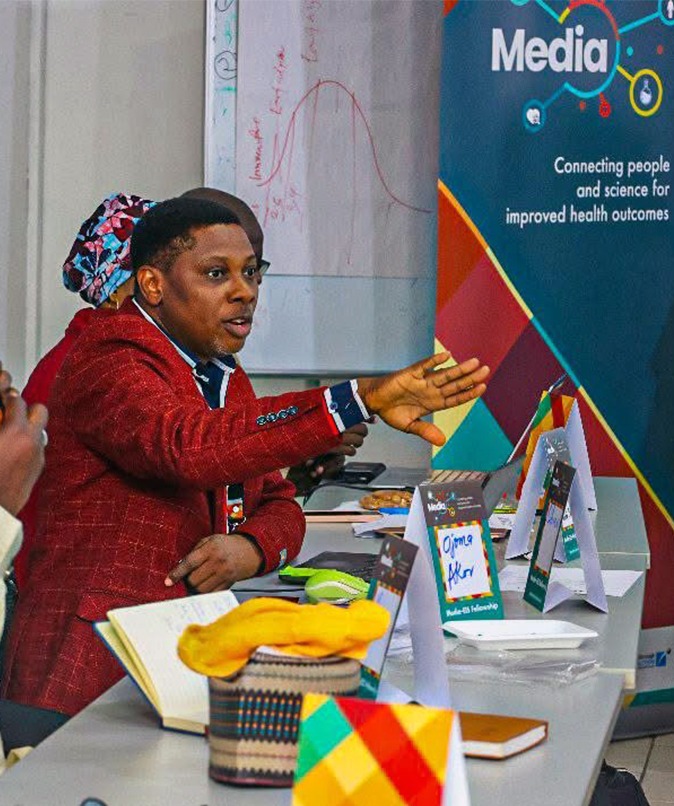
Recognizing the urgent need to combat false information and improve public health communication, the African Field Epidemiology Network (AFENET), in collaboration with Breakthrough Action Nigeria (led by the Johns Hopkins Center for Communication Programs) and the Nigeria Centre for Disease Control and Prevention (NCDC), developed the Media Epidemiology, Infodemiology, and Social Behavior Change/Risk Communication Fellowship (MEDIA-EIS).

Introducing the Media-EIS Fellowship
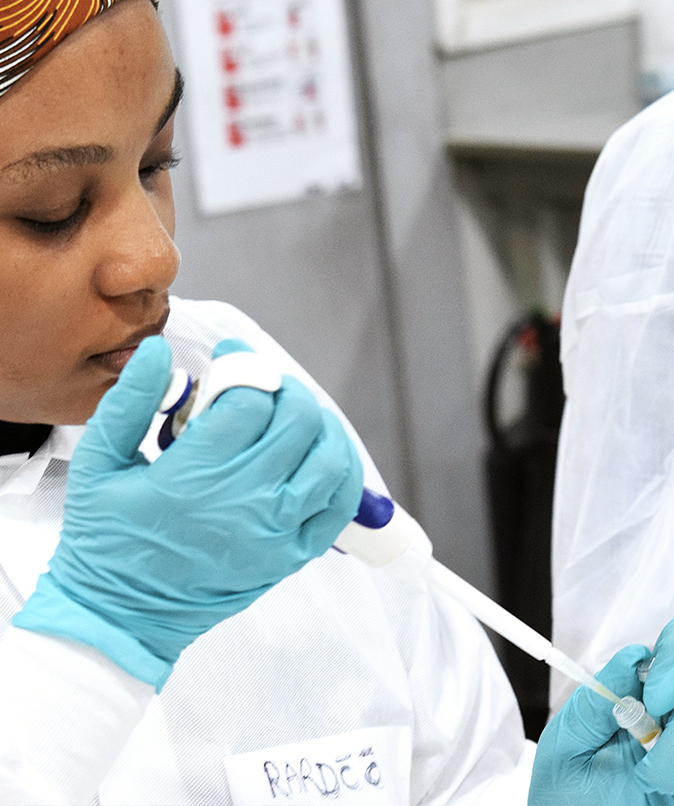
The Media-EIS Fellowship is designed to empower media professionals with essential skills in basic epidemiology, infodemic management, and risk communication. The program bridges a crucial knowledge gap by equipping journalists, broadcasters, and digital media experts with the scientific expertise needed to accurately inform the public and combat health misinformation.
Why Media-EIS Matters
- Enhance the capacity of media professionals to report on health crises accurately.
- •Counter misinformation and disinformation by strengthening science-based reporting.
- •Build a network of health-focused journalists who can drive accurate public health narratives.
- •Foster collaboration between public health experts and the media to improve health communication strategies.
Cohort 1: The Journey Begins
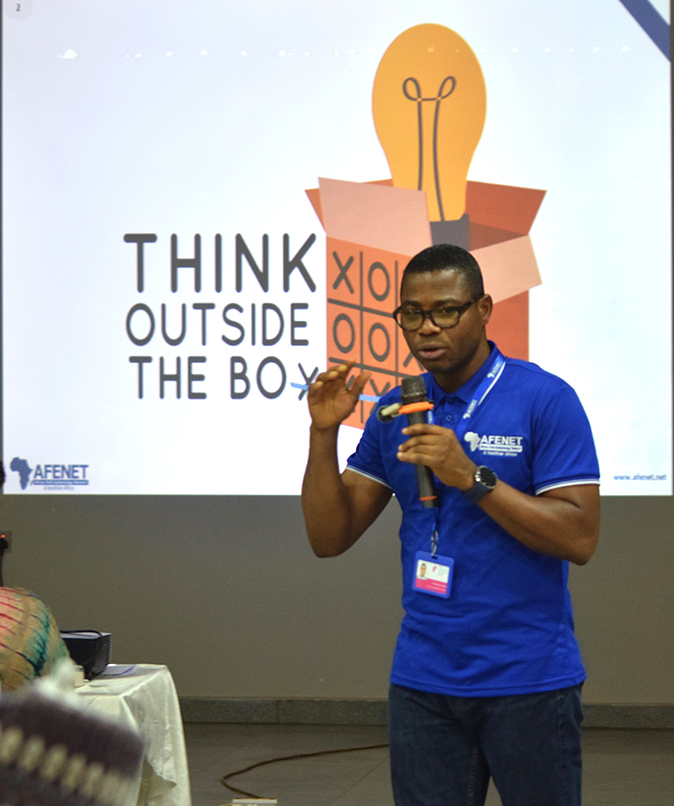
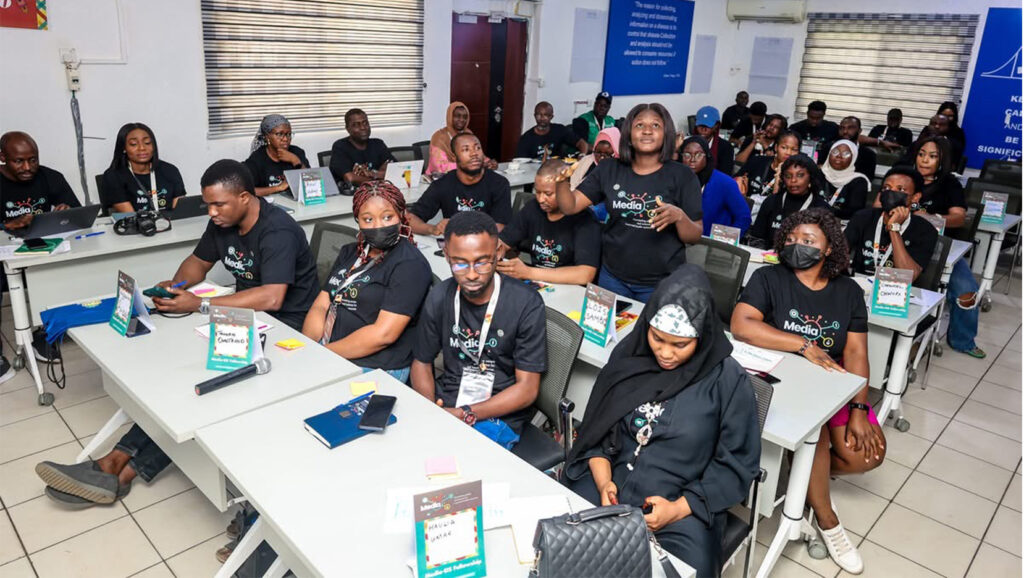
The inaugural cohort of the Media-EIS Fellowship commenced training on November 20, 2023, with an official opening ceremony attended by key stakeholders.
Highlights from the Opening Ceremony
Dr. Ifedayo Adetifa, Director-General of NCDC, emphasized the fellowship’s role in strengthening public health response efforts:
Speed is important, but accuracy is crucial. Misinformation can be disastrous. This training equips media professionals to communicate scientific facts effectively.

Epidemiology and communication go hand in hand. Knowing when to inform and when to remain cautious is essential. We anticipate a transformation in health reporting as this fellowship progresses.” Breakthrough Action Nigeria, and NCDC.
Dr. Ndadilnasiya Endie Waziri, representing AFENET’s Regional Coordinator
As a proud Fellow of the Media-EIS Pioneer Cohort, I’ve gained the ability to report accurately using proper public health terminology. It’s been an incredible learning journey!
Nwokocha Smith C Tweet
I now understand the intricacies of epidemiological reporting. I’m eager to explore the upcoming modules on infodemiology and social behavior change.
Amb. Khadija Bawas Tweet
The Future of Health Journalism
As the Media-EIS Fellowship progresses, it promises to cultivate a new generation of science-literate media professionals capable of countering misinformation and shaping public health narratives. With upcoming tracks on Infodemiology and Social Behavior Change, the program will further strengthen health communication efforts across Africa.